Enterprise Applications, SaaS & Digital Platforms
IWMS- What Are Organisations Actually Buying?
Market definition, functional scope, sector requirements and the commercial significance of integration
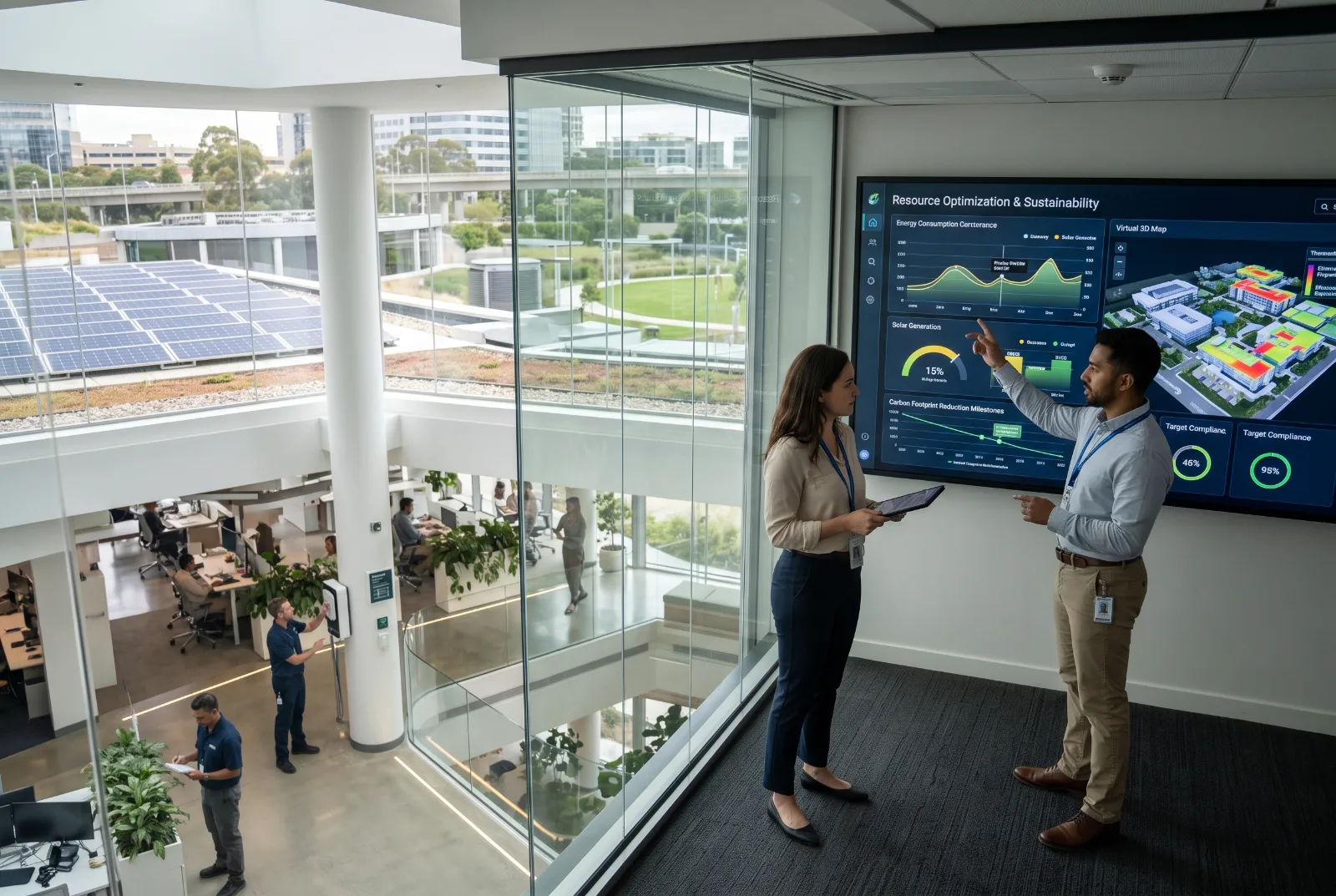
In this briefing
- Introduction
- IWMS as Enterprise SaaS
- The Core Capabilities: Where IWMS Captures Estate Data
- Why integration changes the commercial conversation
- How different sectors influence the demand
- Where the enterprise software estate overlaps
- Defining the scope before choosing the system
- The wider direction of the market
- Conclusion
- About the author
- FAQs
- References
- Further Reading and Supporting Research
Introduction
A hospital managing maintenance across dozens of buildings, a bank consolidating office space and a university planning its next capital programme may all consider an Integrated Workplace Management System (IWMS). They may use the same market description, yet expect quite different things from the investment. For one, reliable asset and compliance records are the priority; for another, lease exposure and occupancy; for a third, the relationship between maintenance demands, teaching space and capital expenditure.
IWMS brings property, facilities, assets and workplace information into a connected set of applications. Its attraction is not simply the ability to replace spreadsheets or digitise work orders. It is the possibility of using information created in one activity to improve decisions elsewhere. That promise deserves careful examination: integration can expose costs and dependencies that separate systems conceal, but only when the underlying records, responsibilities and business processes can support it.
This first briefing defines the software category, explains its overlapping boundaries and examines the requirements driving public- and private-sector demand. The next two parts address the supplier market and investment economics, followed by procurement, implementation and long-term commercial control.
IWMS as Enterprise SaaS
The International Facility Management Association describes IWMS as enterprise software that integrates information for project management, real-estate administration, space and occupancy, asset and maintenance management, and sustainability.1 This is a useful starting point, although individual suppliers package their applications differently. Planon, for instance, groups its proposition around real estate, space and workplace services, assets and maintenance, and energy and sustainability; IBM TRIRIGA includes real estate, capital…
Continue with membership
The rest of this briefing is available to active CPO Insights members.
This briefing reflects the author's analysis and understanding of the market, based on professional experience and information available at the time of publication. It is provided for information and discussion and is not legal, financial, investment or other professional advice. Full disclaimer.