Clinical Consumables
Eight Billion Pounds of Products, Bought Through Many Doors
The NHS in England is estimated to spend around £8bn a year on medical equipment and consumables, with about £3.4bn bought outside NHS Supply Chain, according to the National Audit Office. The range runs from gloves and dressings to specialist products. Demand is shaped by an ageing population, long-term conditions and care moving from hospital to community, which is likely to keep cash spend rising and the community share growing. Wound care shows the difference between product spend and the cost of care: the NHS cost of managing wounds was estimated at £8.3bn a year for 3.8 million patients in 2017/18, 81% of it in the community, according to BMJ Open. That figure covers care, not dressings.

Briefings in this market are in preparation
Subscribe to receive new briefings on Clinical Consumables as they are published.
What our briefings cover
Ward and Nursing Essentials. Personal protective equipment (PPE), examination gloves, nursing sundries, sharps containment and skin preparation, where raw material and freight costs flow through to price.
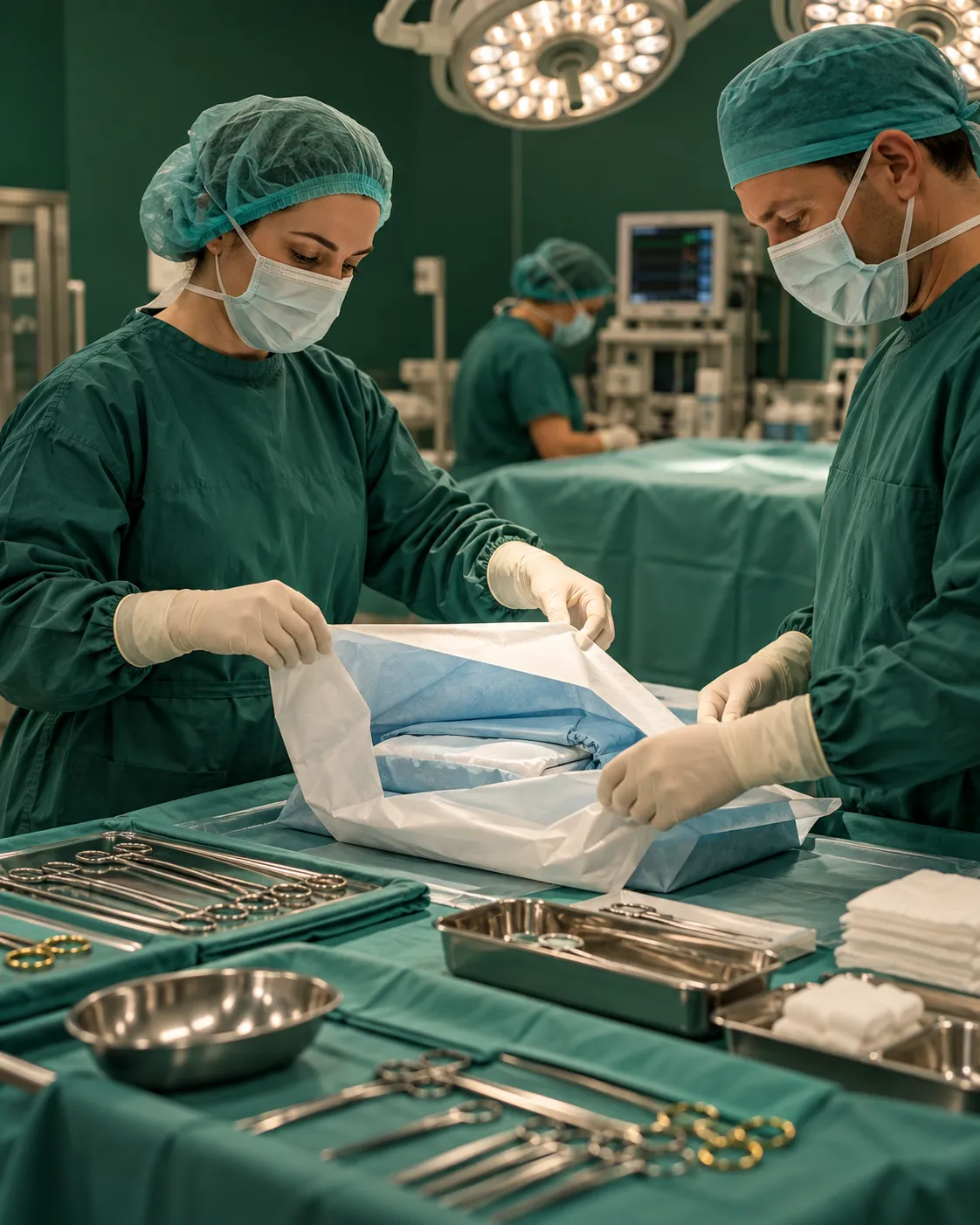
Theatre and Surgical. Custom procedure trays (CPT), surgical drapes and gowns, sutures, and electrosurgical and laparoscopic consumables.
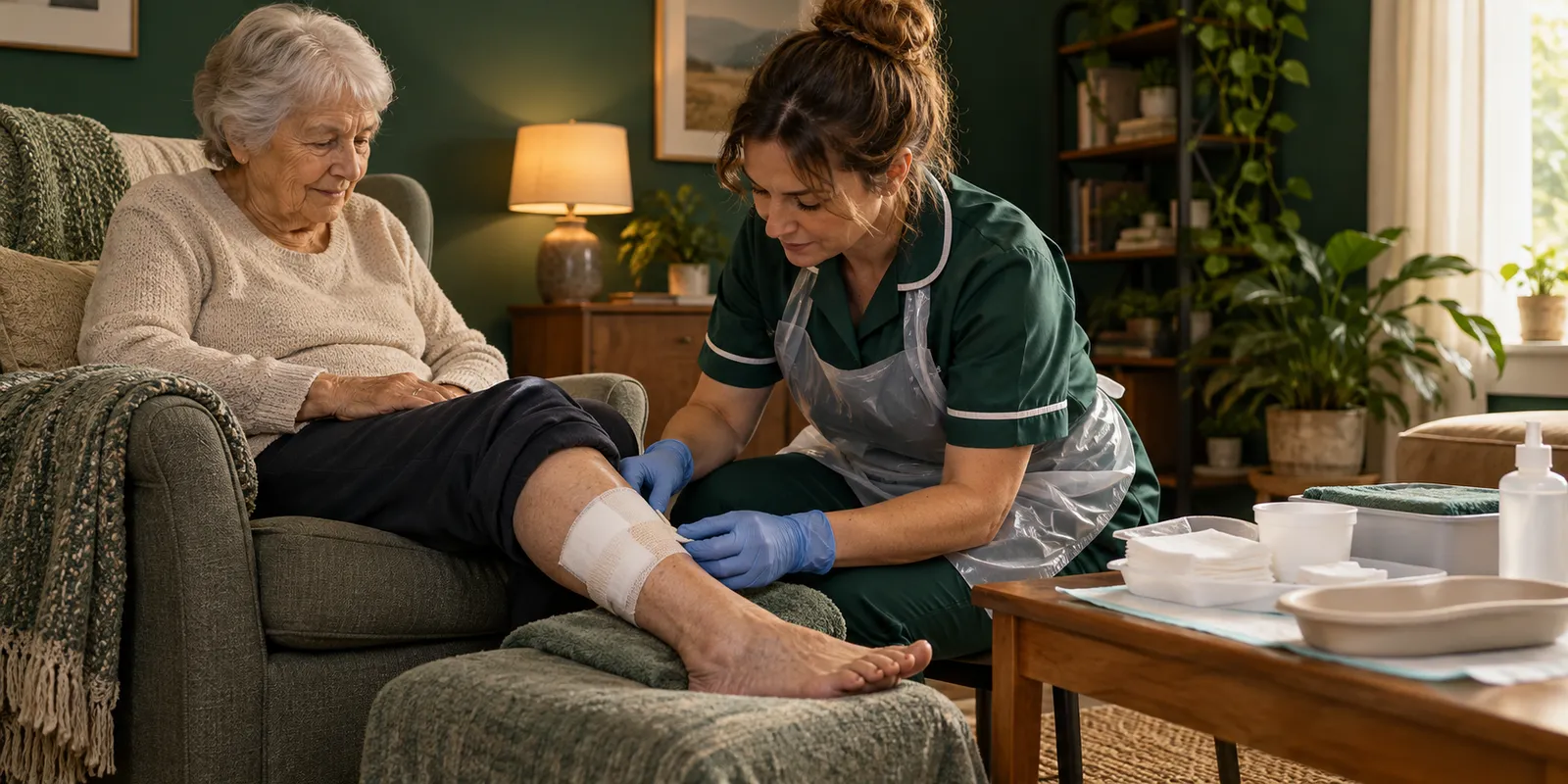
Wound Care and Infection Prevention. Advanced dressings, Negative Pressure Wound Therapy (NPWT), antimicrobial products and surface decontamination.
Pathology, Renal, Stoma and Continence. Blood collection, pathology reagents, dialysis consumables, and stoma, continence and urology products.
The commercial reality: clinical choice shapes the buying position
Clinical evidence and clinician preference rightly influence what is bought, and the variety is large. A study of 61 NHS trusts found 652 types of medical gloves and 1,751 different cannulas in use. Products are switched infrequently because re-evaluation, training and supply assurance all carry cost. Equipment placement links consumable demand to installed bases, so a purchase in one category can shape spend in another.

Our briefings place these choices in their regulatory and market context: changing device rules in Great Britain, including the consultation on recognising CE-marked products, the effect of Brexit and tariffs on supply, and the supplier landscape. UK manufacturers are also combining capability: in June 2026 Hereford-based Eumar Technology acquired Port Talbot wound care developer Hybrisan, according to Business News Wales. We follow national and regional buying routes, including NHS Supply Chain and Integrated Care Boards (ICBs), and how competition and consolidation affect value for money.
Last updated by Ajay Channana for Ipso Facto on 16 October 2026