Enterprise Applications, SaaS & Digital Platforms
Software Spend Is Growing Faster Than Almost Anything Else an Organisation Buys
Gartner projects global software spending of $1.43 trillion in 2026, up 15.2%. Behind the total are changes that reach every buyer. AI features are being bundled and priced in new ways, and 79% of IT leaders met price increases at renewal. Health shows the scale of long programmes: £1.9bn was committed to help every NHS trust have, or be implementing, an electronic patient record (EPR) by March 2026. Spend is likely to keep rising, and the pricing basis behind it is shifting.

 Procuring IWMS: Commercial Control Across the Technology LifecycleSourcing strategy, Supplier Evaluation, Implementation, Commercial Oversight and Decommissioning
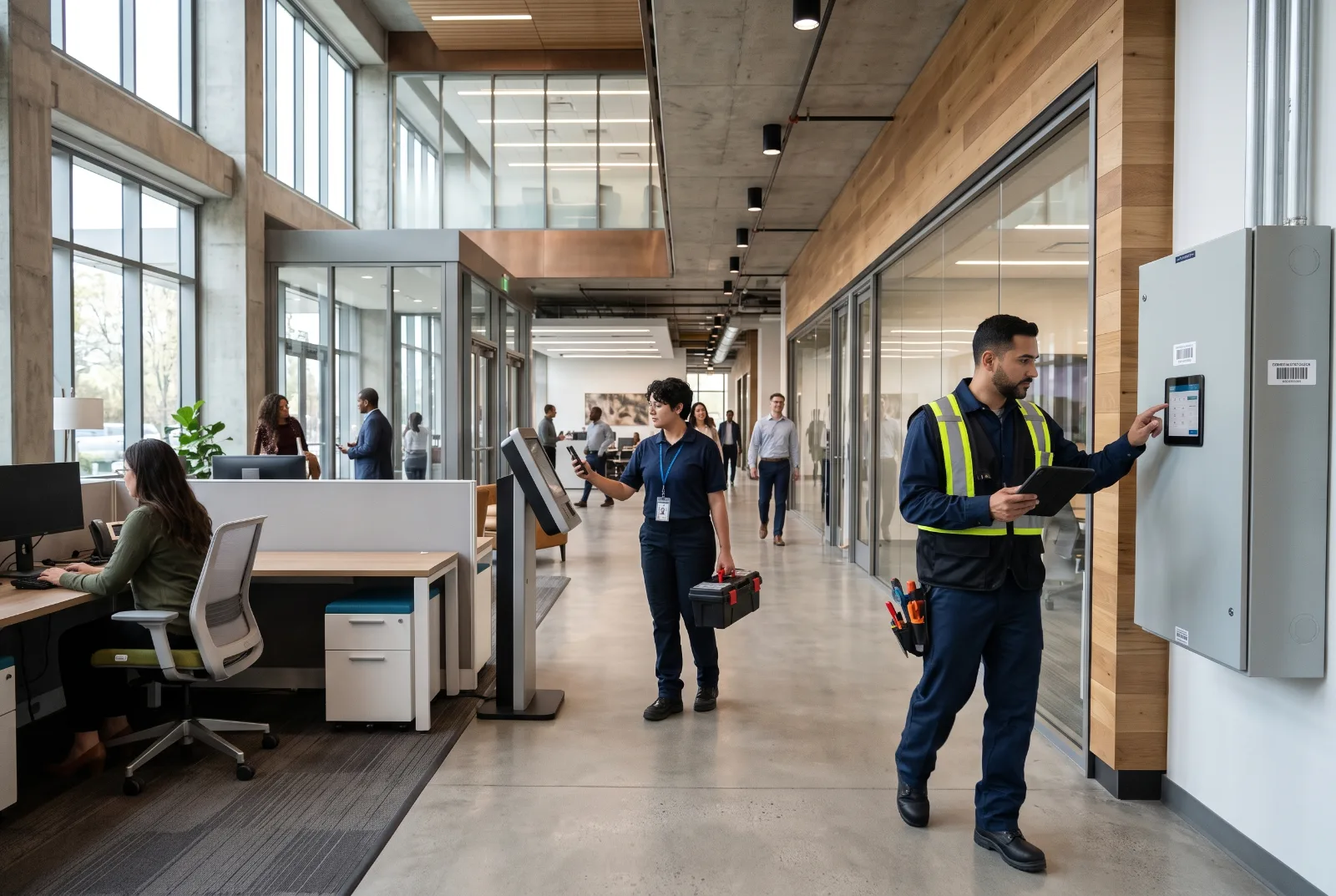 The IWMS Market: Competition, Investment and the Economics of IntegrationSupplier landscape, deployment choices, whole-life costs, investment benefits and emerging market direction
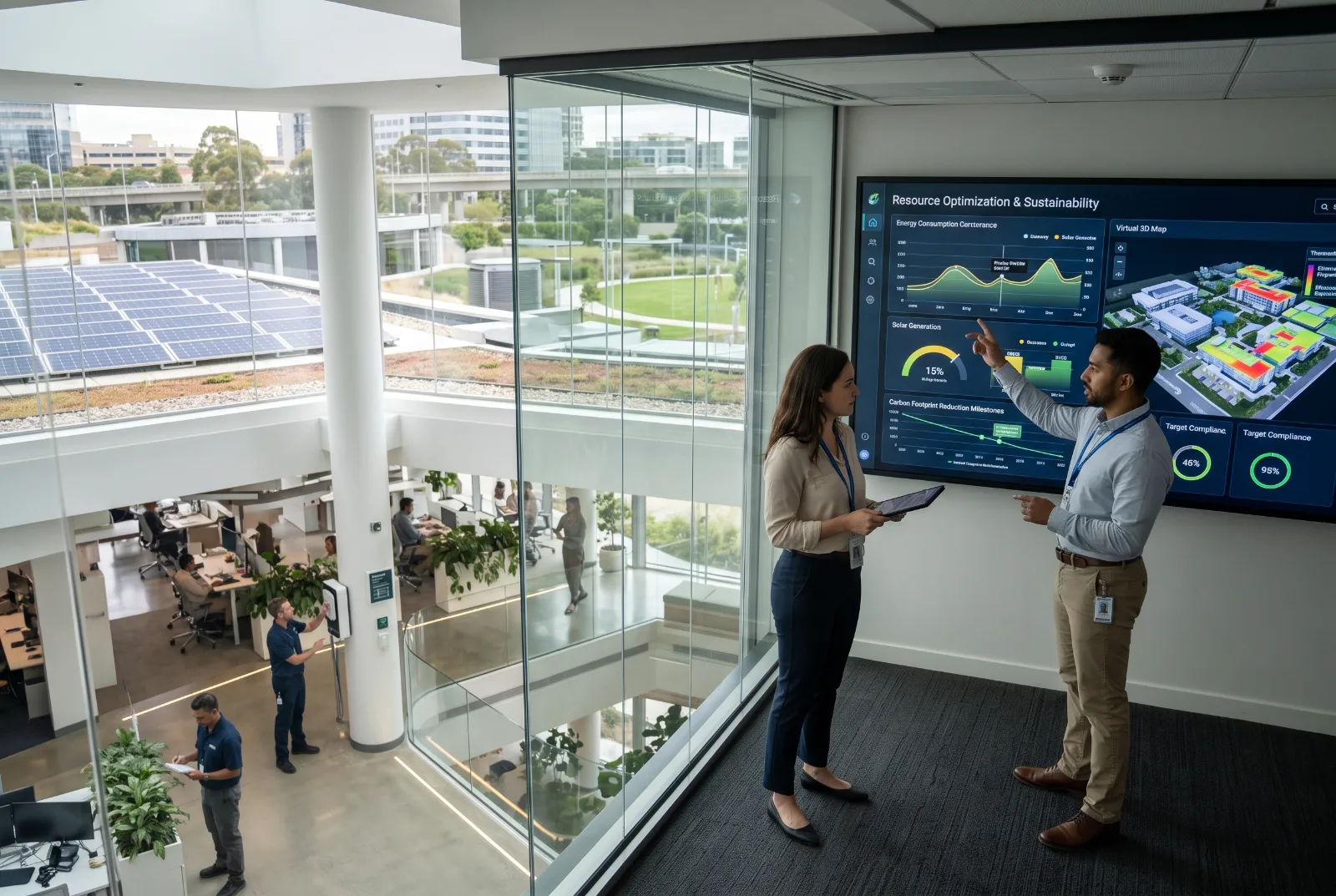 IWMS- What Are Organisations Actually Buying?Market definition, functional scope, sector requirements and the commercial significance of integration
 Integrated Workplace Management Systems (IWMS)From Computer-Aided Facilities Management (CAFM) to Enterprise-Wide Estate Intelligence
 A Permission, Not a PositionTwo things changed at once for anyone selling AI-enabled products into the UK public sector, and they pull in opposite directions. The buying side opened up. The evidencing side got considerably heavier. An entrant reading only the first half sees a door. The second half is where entry attempts stall.
What our briefings cover
Core Enterprise Platforms. Enterprise Resource Planning (ERP), Customer Relationship Management (CRM), Human Capital Management (HCM) and finance suites, including best-of-breed against single-suite choices.
SaaS Portfolios. Licence entitlement, true-up and true-down terms, multi-year discounting and unmanaged applications across departments.
Data, Analytics and Development. Data warehouses, business intelligence, master data management, API management and bespoke development partners.
Automation, AI and Clinical Systems. Low-code platforms, Robotic Process Automation (RPA), enterprise AI services and compute, and clinical systems including EPR.


The commercial reality: renewal is where the business case meets its test
After implementation, software becomes part of how an organisation works. The cost of change then includes data migration, integration, retraining and operational risk, which is why renewals, extensions and direct awards are common in public sector software. Licence metrics are moving from users to usage, transactions or credits, and Gartner expects at least 40% of enterprise SaaS spend to move to usage, agent or outcome-based pricing by 2030. How data may be used for model training, and what indemnities attach, are now commercial questions as well as legal ones.

The questions our briefings return to are the ones that surface late: how the supplier market is opening or closing, where data security and sovereignty rules bite, and how emerging technology is adopted in practice. We follow the role of the Government Commercial Agency (GCA) and framework agreements, and why direct awards continue where the cost of change is high. Public sector software is consolidating. In June 2026 Infoshare+, the public sector software platform of Omni Partners, acquired DEF Software, a software provider to more than 60 local authorities and its ninth acquisition since October 2024, according to Mayer Brown. We look at what that kind of consolidation means for competition at renewal.
Last updated by Ajay Channana for Ipso Facto on 16 October 2026