Medical Devices & CAPEX
Capital Decisions That Outlast the Budget Year
Scanners, theatre systems, ventilators and implants are among the largest and longest commitments in healthcare. Capital investment is rising from a low base: £237m for 36 community diagnostic centres, in a year when the NHS in England carried out a record 29 million tests and scans. That sum is a programme commitment, not annual equipment spend. Two publishers' forecasts for the UK medical devices market put annual growth at 5.6% and 6.37%, over different periods and with different market sizes. Waiting-list recovery, an ageing population and robotics are likely to keep demand high.

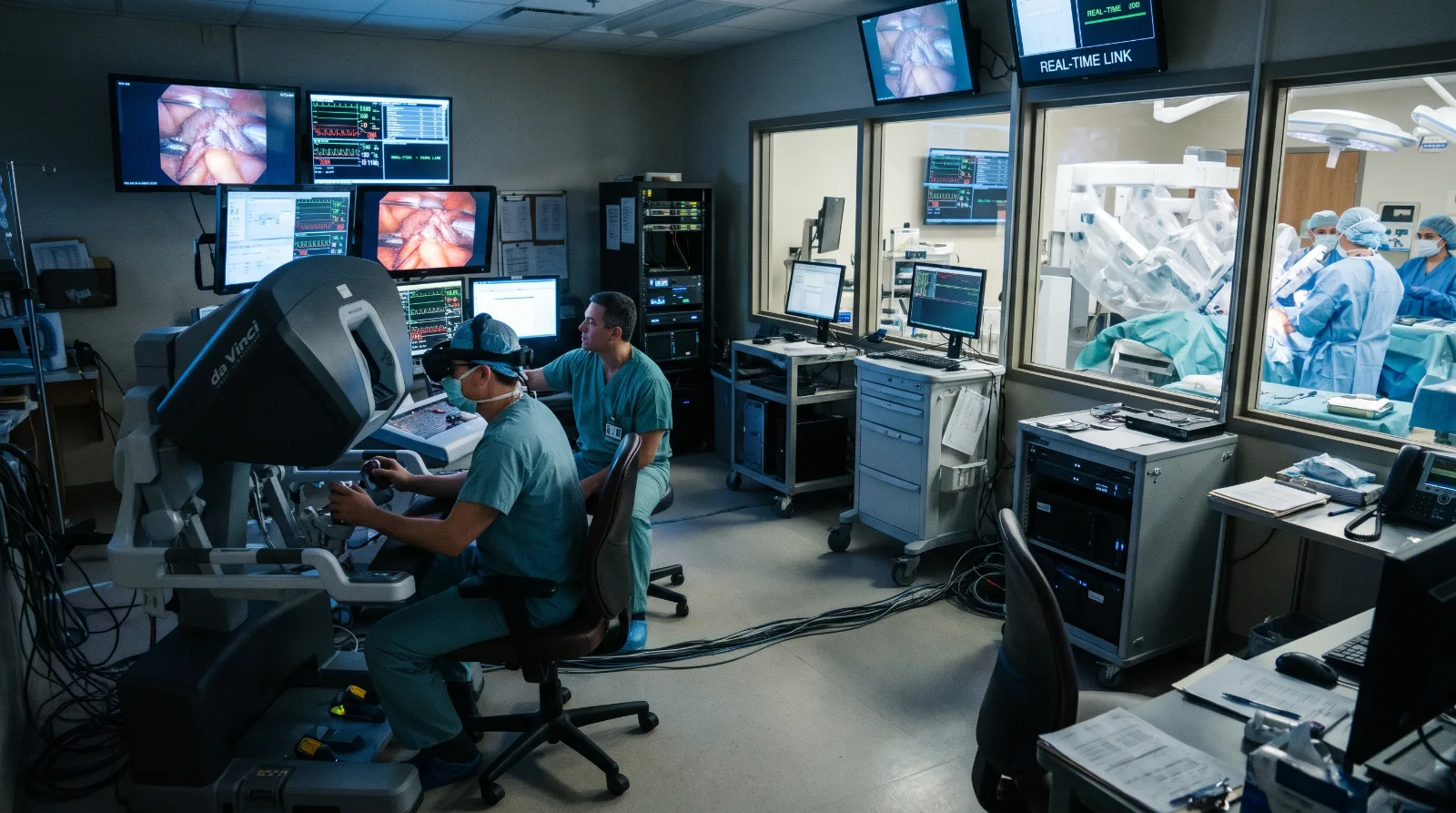 Telerobotic Surgery: The Potential to Reshape NHS Investment and Surgical NetworksCould shared surgical infrastructure shorten waiting times, improve patient experience and reduce the need for investment?
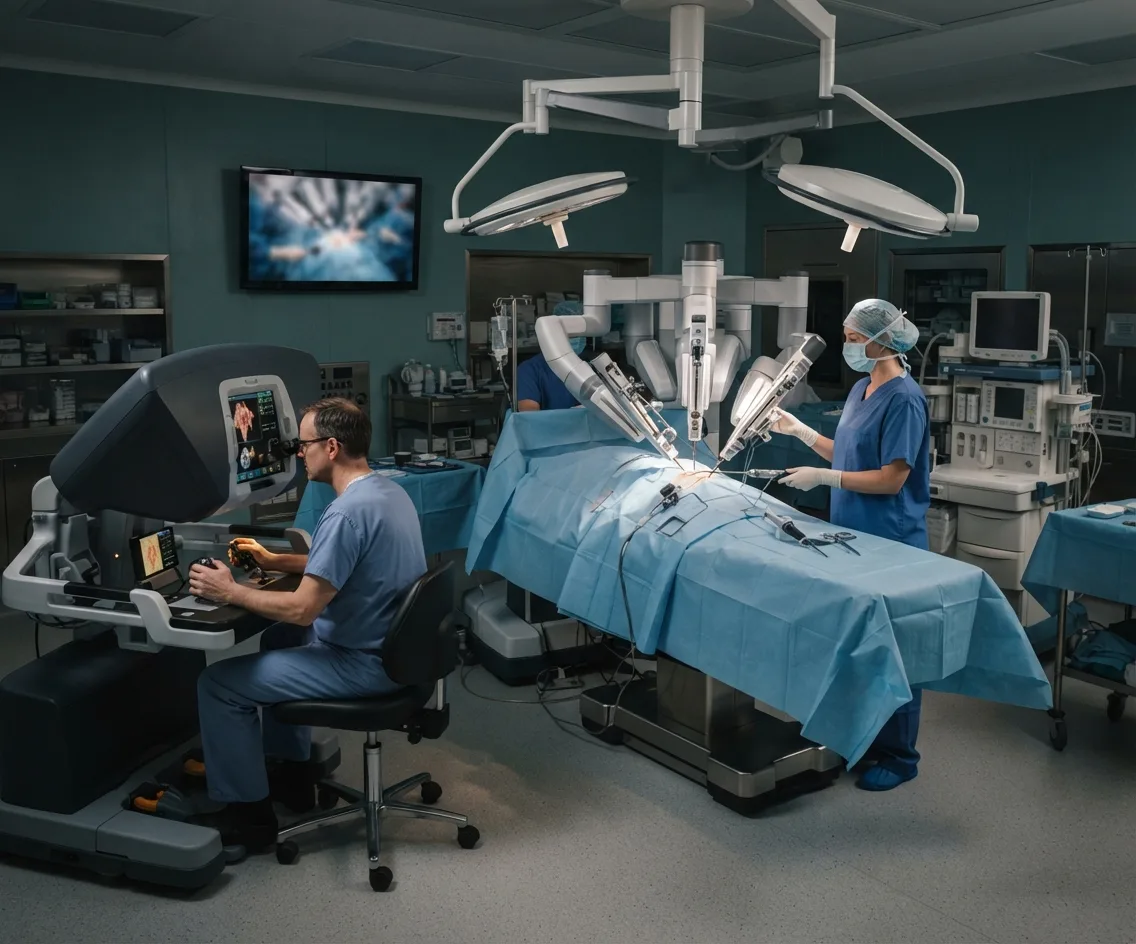 Buying Surgical Robots: Who Makes the Decision and Who Pays?NHS approval pathways, supplier selection, procurement rules and the long-term commitments behind robotic surgery investment.
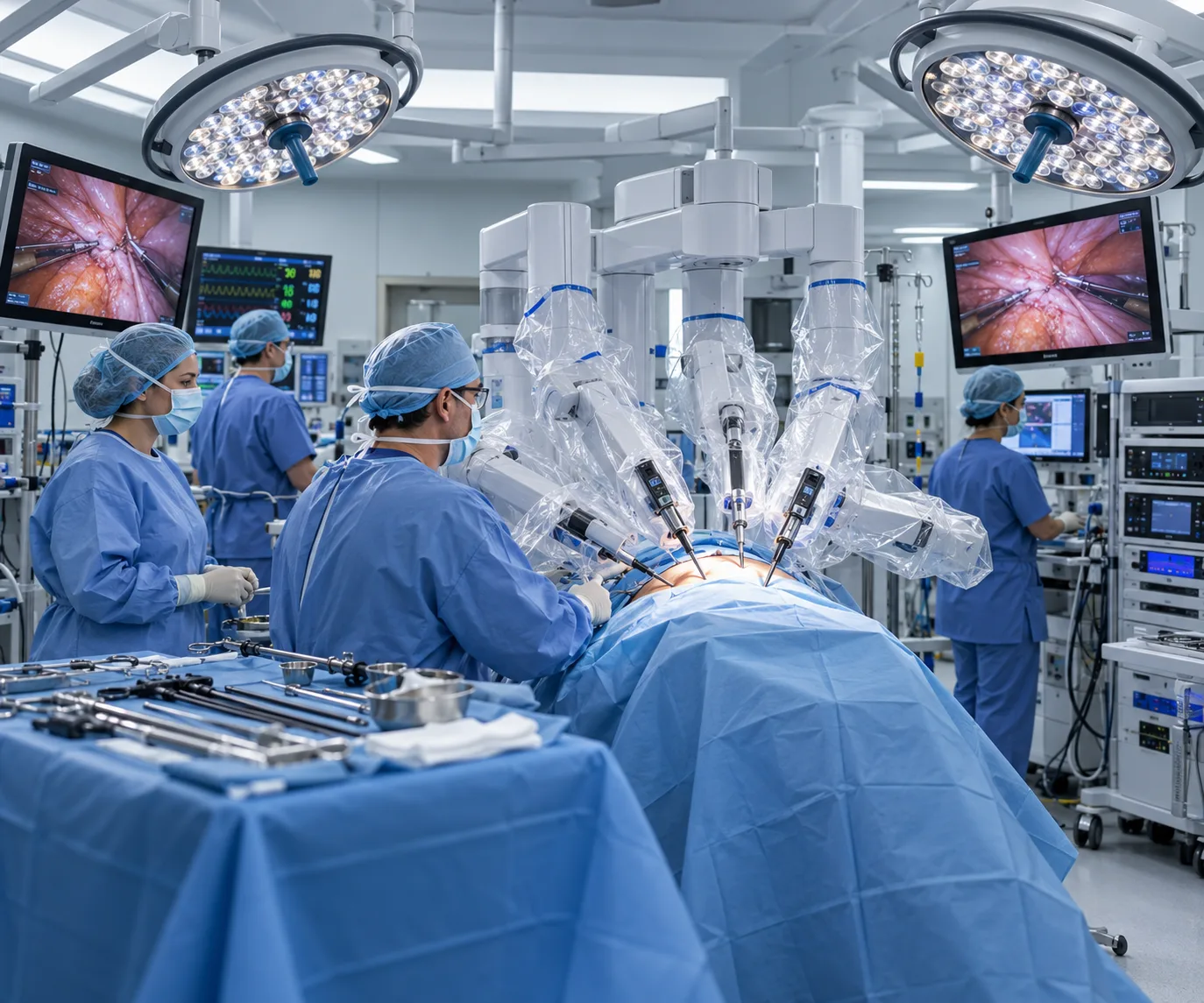 Before the First Operation: The Commercial Commitments Behind NHS Surgical RoboticsThe Robotics Value Chain: MHRA, NICE, ICBs, GPOs and NHS England
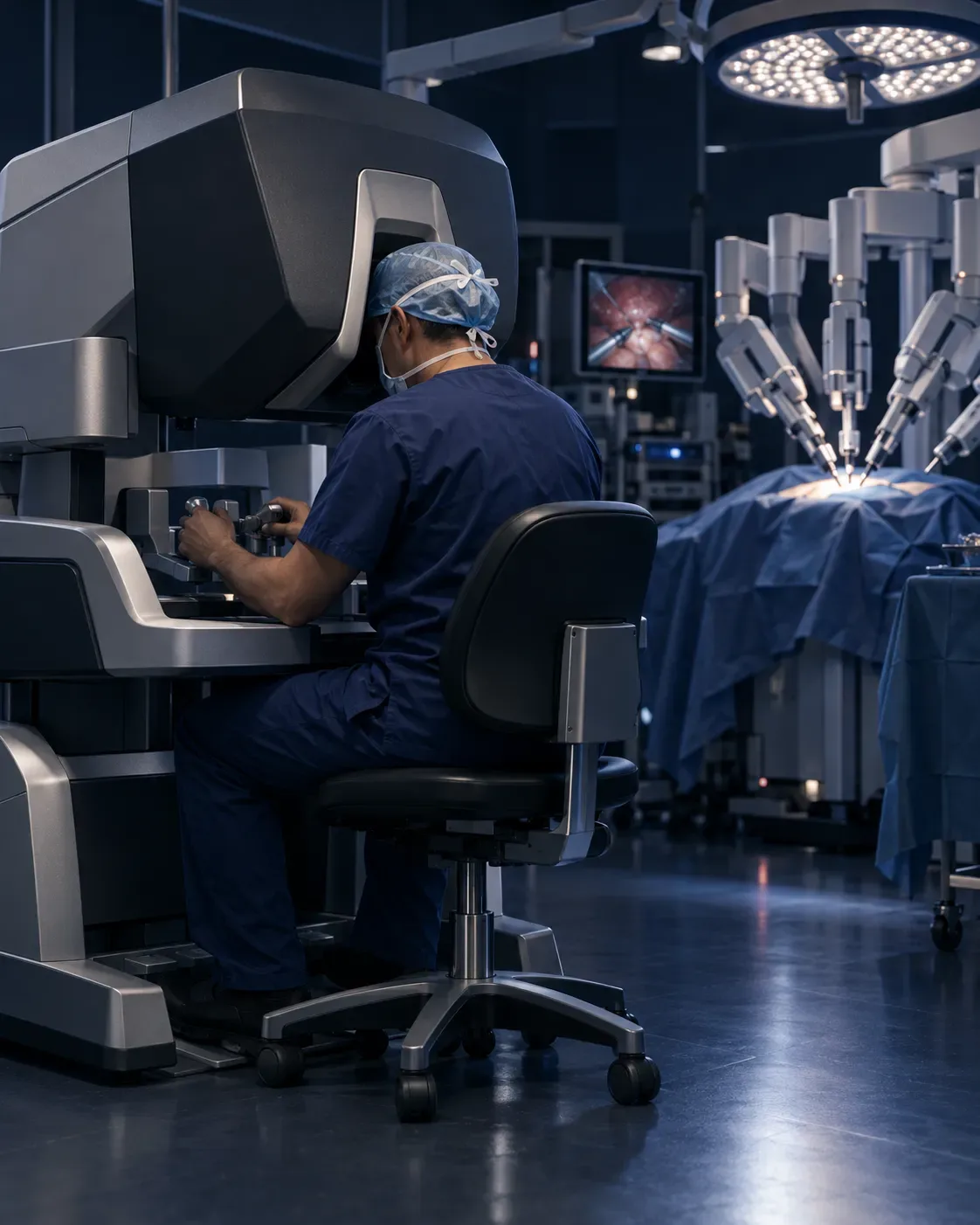 The True Cost of Robotic Surgery: What the Price per Procedure Leaves OutExamining the Financial Commitments, Contractual Obligations and Operational Assumptions Behind NHS Robotic Surgery
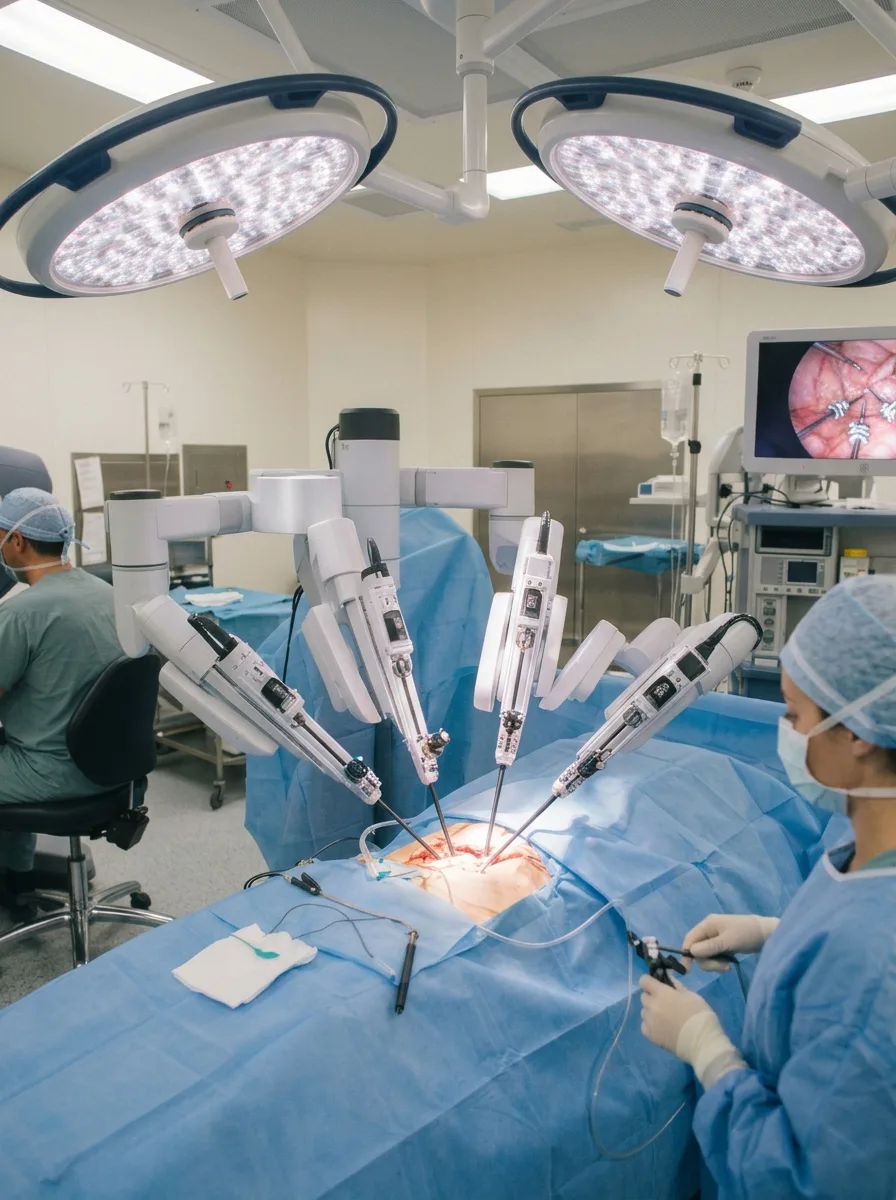 Surgical Robotics: Market Dynamics, Cost of Adoption and Procurement StrategyImpact of Clinical Priorities, Funding Models and the Total Cost of Ownership on UK Market Growth
What our briefings cover
Diagnostic Imaging and Radiotherapy. Magnetic Resonance Imaging (MRI), Computed Tomography (CT), radiography, ultrasound, nuclear medicine and radiotherapy systems.
Endoscopy, Laboratory and Diagnostic Equipment. Endoscopy platforms, laboratory analysers and pathology equipment.
Theatre, Critical Care and Anaesthesia. Ventilators, patient monitoring, infusion pumps, surgical theatre infrastructure and surgical robotics.
Implants and Managed Equipment Services. Orthopaedic, cardiology and spinal implants, managed equipment services (MES), biomedical engineering and decommissioning.
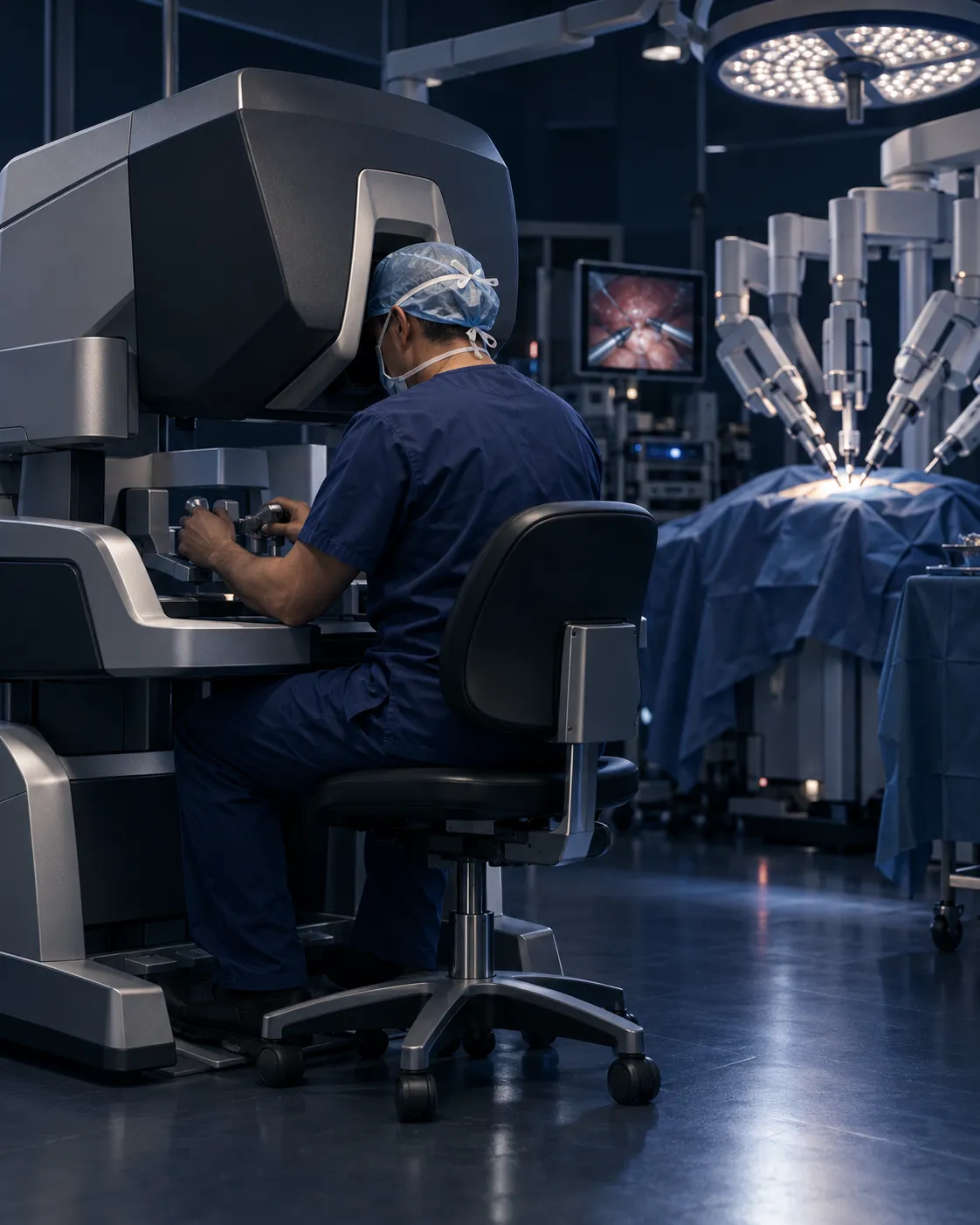
The commercial reality: the service agreement is part of the purchase
Equipment is rarely bought without service, software, consumables and an upgrade path. Terms on service access, software licensing, uptime and end-of-life differ between suppliers and interact with patient safety and regulatory duties. Implants add instrument sets, registry reporting and clinician training. The cost of change includes site works, clinical revalidation and retraining.
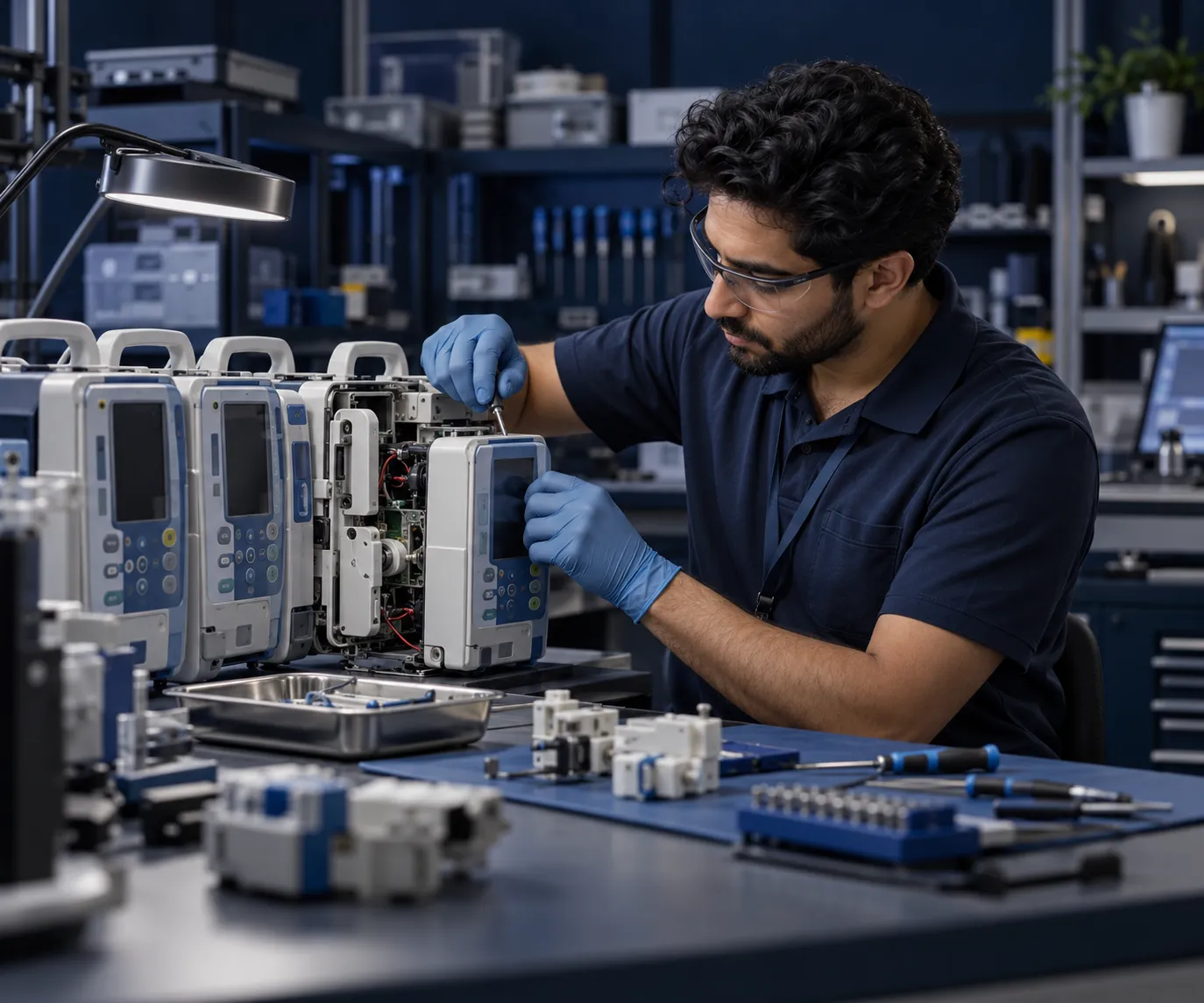
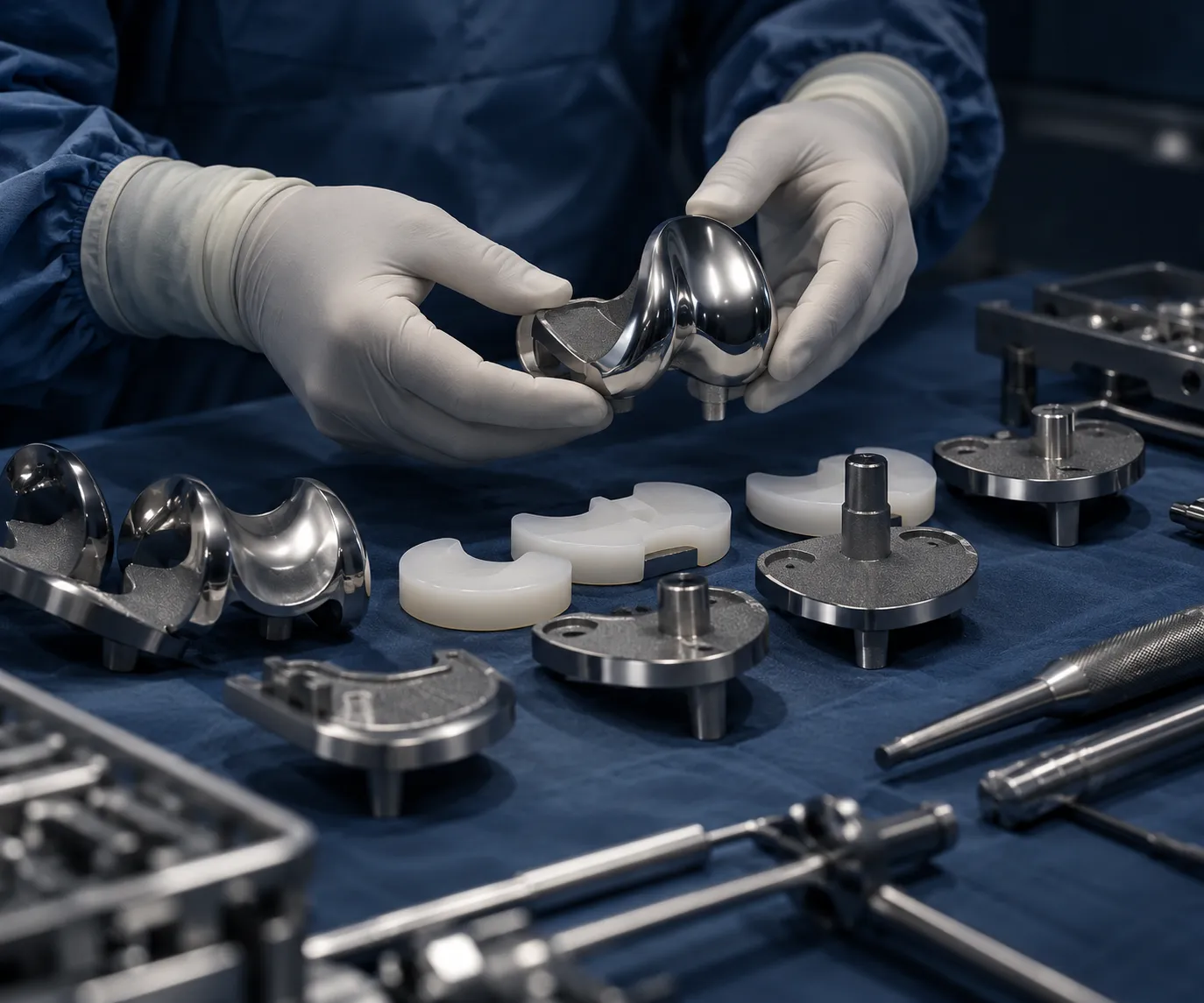
What happens at supplier level often reaches buyers within a contract cycle, so our briefings follow it. In January 2026 Boston Scientific announced plans to buy Penumbra for $14.5 billion, and Johnson & Johnson shared plans to divest its orthopaedics segment, according to MedTech Dive. We look at what such moves mean for product portfolios, service terms and supplier relationships, alongside tariffs, the changing regulatory position, Integrated Care Boards (ICBs) and managed service models, and where independent service providers and competition change value for money.
Last updated by Ajay Channana for Ipso Facto on 16 October 2026